Rich snippets can make a search result more useful before the click: ratings, prices, images, breadcrumbs, recipe details, video information, or other rich result elements. But the SEO question is more specific: do rich snippets help SEO, or are they only visual decoration? The short answer is yes, but indirectly. They can improve visibility and click-through potential, while structured data helps Google understand what the page contains.
AI Summary
Quick Answer
Yes, rich snippets can help SEO indirectly. They are not a direct ranking boost, but eligible rich results can make a page more visible, more informative, and more clickable in Google Search. Structured data helps Google understand page content, but it does not guarantee that a rich result will appear.
- Ranking: Do not treat rich snippets as a direct ranking factor.
- CTR: Rich results can improve click-through rate by making a result more useful and prominent.
- Eligibility: Schema markup can make a page eligible for rich results, but Google decides what to show.
- Content: The information in markup should match visible, useful page content.
- Best practice: Optimize for supported rich result types, validate with Google’s Rich Results Test, and monitor Search Console.
What Are Rich Snippets in SEO?
Rich snippets are enhanced search listings that show more than a standard title, URL, and description. Google now commonly calls these enhanced displays rich results. In SEO, rich snippets can include review stars, recipe details, product availability, prices, images, breadcrumbs, event details, video information, or other supported search features.
The important distinction is this: the visible rich result is the output. The input is usually structured data, also called schema markup or rich snippet markup. Google uses structured data as explicit clues about the meaning of a page, but the page must still be crawlable, indexable, useful, and aligned with Google’s guidelines.
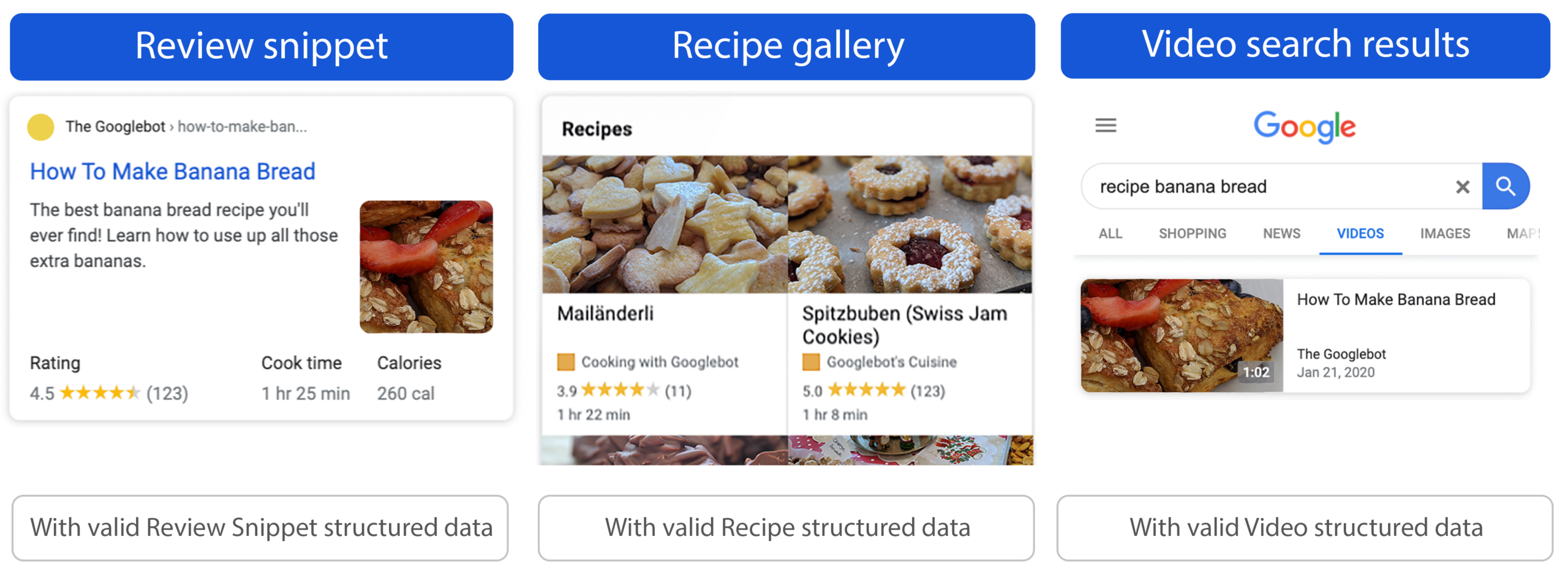
Do Rich Snippets Help SEO Directly or Indirectly?
Rich snippets help SEO indirectly. A page does not rank higher simply because it has schema markup. The better way to think about rich snippets SEO is: structured data can make your page eligible for richer search presentation, and richer presentation can increase attention, trust, and click-through rate when the result matches search intent.
That matters because search is competitive even when rankings are stable. If two results appear near each other, the result with ratings, price, availability, recipe time, video thumbnail, or breadcrumb context can look more useful. The ranking position may be the same, but the click opportunity can be better.
Google’s own structured data documentation says adding structured data can enable more engaging search results, and it cites case studies where pages enhanced with structured data saw stronger click-through or visit metrics. That does not mean schema is a magic ranking lever. It means richer search presentation can improve SEO performance when the underlying content deserves the click.
Practical interpretation
If someone asks “do rich snippets help SEO?”, the safest answer is: yes, through visibility and CTR potential, not through a guaranteed ranking boost. That is the difference between a useful SEO recommendation and keyword-stuffed schema advice.
The Rich Snippet Reality Matrix
This matrix is the fastest way to separate real rich snippets best practices from outdated SEO advice.
| SEO question | Correct answer |
|---|---|
| Do rich snippets directly improve rankings? | No direct ranking boost should be claimed. Structured data can support eligibility and understanding, but it is not a shortcut around content quality, relevance, authority, or technical SEO. |
| Can rich snippets improve SEO performance? | Yes, indirectly. Better SERP visibility, clearer context, and stronger click-through potential can improve organic performance. |
| Does schema guarantee a rich result? | No. Valid rich snippet markup can make a page eligible, but Google decides whether a rich result is useful for the query, device, page, and search context. |
| Is FAQ schema still a broad tactic? | No. Google has deprecated and removed FAQ rich result documentation as a general rich-result feature. Keep FAQs for users and AI extraction, but do not sell FAQ markup as a standard Google rich-snippet lever for normal sites. |
| What should teams optimize? | Supported rich result types, visible page content, accurate structured data, snippet-ready copy, Rich Results Test validation, and Search Console measurement. |
How Structured Data Creates Rich Result Eligibility
Structured data is a standardized way to label page information. Instead of hoping Google infers every detail from body copy, you mark up facts such as product price, review rating, author, recipe time, event date, organization details, or article metadata in a machine-readable format.
The most common format is JSON-LD. For example, an article page can use Article structured data, a product page can use Product structured data, and a recipe page can use Recipe structured data. The markup should describe the same content users can see on the page. If the page says one thing and the schema says another, the markup is weak, misleading, or potentially ineligible.
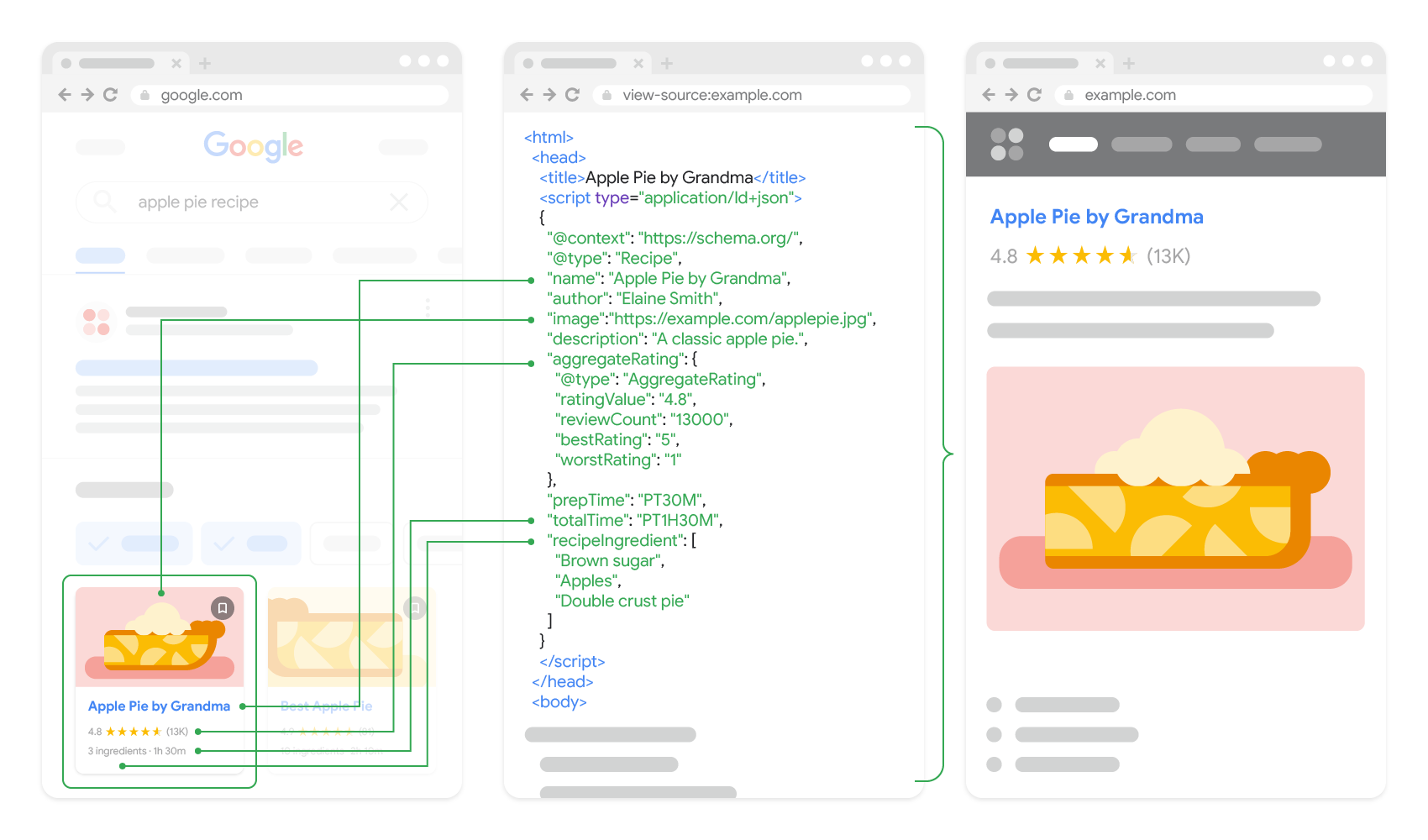
What Google Actually Says About Rich Results
Google’s position is more nuanced than many SEO rich snippets articles suggest. Google says structured data helps Search understand page content and can make pages eligible for rich results. Google also says pages must follow technical and quality guidelines to be eligible for rich result appearance.
Two details matter for SEO teams. First, a structured data issue can affect rich result eligibility without necessarily affecting normal web-search ranking. Second, Google’s snippet documentation explains that normal snippets are created primarily from page content and sometimes from meta descriptions. So rich-result optimization is not only a schema task; it is also a writing task.
The strongest strategy is to align three layers: visible content that answers the query, structured data that accurately labels that content, and snippet-ready wording that helps users understand the page quickly from the search result.
How to Work Toward Rich Snippet Eligibility
Do not start by adding every schema type your plugin offers. Start with the page’s search intent and the rich result type that actually fits the page.
- Match the intent: Is the user trying to compare, buy, read, watch, cook, attend, review, or troubleshoot?
- Choose a supported type: Use Google’s structured data gallery to confirm that the page type has a relevant rich result opportunity.
- Write visible content first: Put important details in the page: price, rating basis, steps, author, date, product features, limitations, or answers.
- Add accurate markup: Use JSON-LD that reflects the visible content and follows Google’s required and recommended properties.
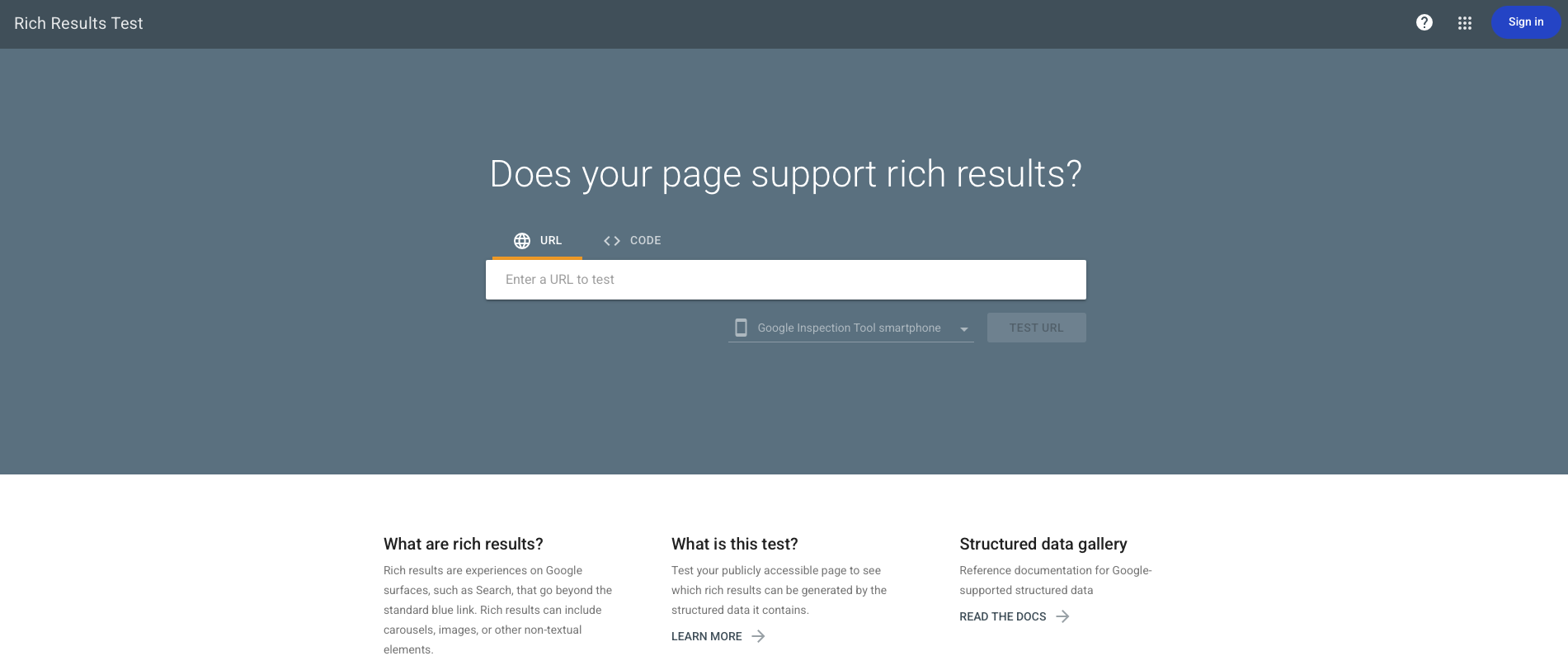
- Validate the page: Use Google’s Rich Results Test to check whether the page supports rich results and whether required fields are missing.
- Measure performance: Use Search Console to compare impressions, clicks, CTR, and rich-result search appearance over time.
Bad vs Better Rich Snippet Writing Examples
The most overlooked rich snippet SEO skill is not writing more schema. It is writing page copy that gives Google and users precise, extractable information. Vague copy produces vague snippets. Specific copy creates clearer page meaning.
| Weak phrase | Better phrase and why it works |
|---|---|
| “Our software is easy to use and powerful.” | Better: “Our SEO audit software checks structured data, page titles, meta descriptions, internal links, and indexability issues in one crawl.” Why: It names concrete entities, functions, and the user problem. That helps both readers and search systems understand the page. |
| “We offer the best services for businesses.” | Better: “Our local SEO service helps multi-location businesses improve Google Business Profile visibility, location pages, reviews, and local schema markup.” Why: It defines the audience, outcome, and relevant SEO entities instead of making a generic claim. |
| “This product is great and affordable.” | Better: “The tool starts at $29/month, supports team accounts, exports CSV reports, and is best for small ecommerce stores that need product schema monitoring.” Why: It gives price, features, use case, and audience. That is much more useful for product snippets and comparison-driven searches. |
| “This guide explains everything about rich snippets.” | Better: “This guide explains whether rich snippets help SEO, how Google uses structured data, which rich result types still matter, and how to write snippet-ready page copy.” Why: It mirrors the search intent and creates clear content anchors for the article. |
Rich Snippets Best Practices
- Use schema only where it matches the page: Product markup belongs on real product pages; Recipe markup belongs on real recipe pages; Review markup must reflect visible, legitimate reviews.
- Prioritize supported Google rich results: Do not optimize for markup that Google no longer shows as a meaningful search feature for your site type.
- Keep content and markup consistent: The facts in structured data should be visible or clearly supported on the page.
- Write specific snippet-ready copy: Include concrete entities, numbers, audiences, limitations, and outcomes where they help the user decide.
- Validate before publishing: Run the Rich Results Test and fix required-field errors before expecting eligibility.
- Monitor, do not assume: Use Search Console to see whether rich results appear and whether CTR improves.
FAQ
Do rich snippets help SEO?
Yes, rich snippets can help SEO indirectly by improving visibility, click-through potential, and user confidence in search results. They should not be described as a direct ranking boost.
What is a rich snippet in SEO?
A rich snippet is an enhanced search listing that includes extra information such as ratings, prices, images, breadcrumbs, recipe details, or video information. Google often refers to these as rich results.
What is rich snippet markup?
Rich snippet markup is structured data, usually JSON-LD schema, that labels page information in a way search engines can understand. It can make a page eligible for relevant rich results.
Do rich snippets improve SEO rankings?
Not directly. They may improve SEO performance through better SERP presentation and higher CTR, but schema markup alone should not be treated as a ranking factor.
Are Google rich snippets guaranteed if schema is valid?
No. Valid structured data can make a page eligible, but Google decides whether to show a rich result based on the query, page quality, guidelines, device, and search context.
Should I still use FAQ schema for SEO?
Use FAQ content when it helps readers, but do not rely on FAQ schema as a broad Google rich-result tactic. Google has deprecated and removed FAQ rich result documentation as a general feature.
Sources and Further Reading
- Google Search Central: Introduction to structured data markup
- Google Search Central: Structured data markup that Google Search supports
- Google Search Central: General structured data guidelines
- Google Search Central: Control your snippets in search results
- Google Search Central: Latest documentation updates
- Google Rich Results Test